


Getting down on all fours can help you settle into pup headspace and enjoy a more physical style of play. It can also become uncomfortable much faster than expected. Hard floors put pressure on the knees, while flat palms and a fixed position can tire the wrists, back and shoulders.
We decided to write this guide after running a survey in our community. Knee and wrist pain were the physical problems pups mentioned most often. I have seen the same thing at pup events: people become absorbed in the moment, stay down longer than they realise and only feel how sore they are afterwards.
Floor play does not have to hurt. Padding and regular position changes make a huge difference. The goal is not to prove how long you can stay on all fours; it is to enjoy being a pup without ignoring your body.
Start With the Floor Beneath You
Check the play area before putting on your gear. A thick exercise mat, padded play mat or carpet is usually kinder than wood, tile or concrete. Remove grit, sharp objects and anything that could press into a knee or hand.
Folded towels and blankets can add cushioning when a mat is unavailable. Keep them from sliding and test the setup with a few slow movements first.
Thin disposable puppy-training pads are useful for protecting a floor, but they provide very little cushioning. If there is no genuinely padded surface, proper knee protection becomes especially important.
Floors at bars, clubs and pup events deserve extra thought. A venue may have cleaned thoroughly and the floor can still collect grime once a crowd starts moving through it. Pups also tend to drag the fronts of their shoes while crawling. Many pups I know wear an older pair or choose sturdy shoes with reinforced toes. Save the spotless white trainers for another day, and use event shoes that can handle scuffs and be wiped clean afterwards.
Pup Play Knee Pads Are Essential Floor-Play Gear
Walking or shuffling on your knees can become painful surprisingly quickly. The knees take repeated pressure while your attention is on a handler, a toy or getting further into pup space. Excitement can make discomfort easy to overlook.
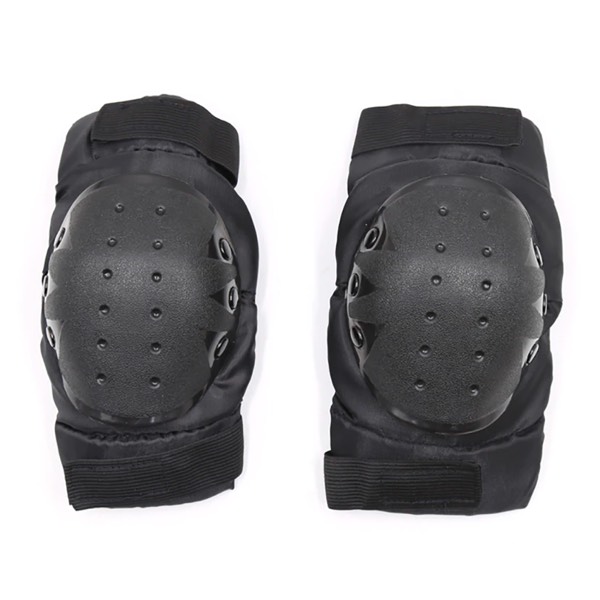
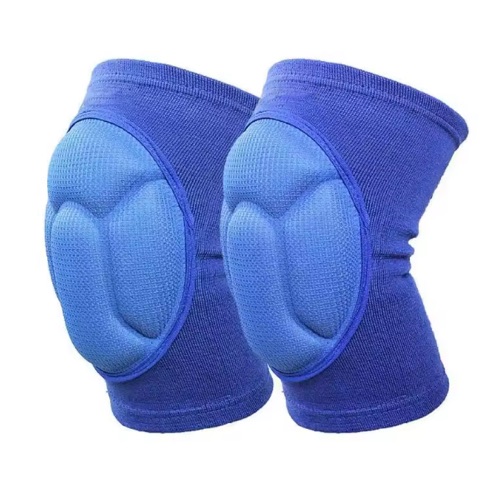
A good pair of pup play knee pads adds cushioning between your body and the floor, making crawling, kneeling and changing direction less punishing.
Choose the padding according to where and how you play:
- Softer padding suits gentle indoor play and easy movement.
- High-density or shock-absorbing padding suits harder floors and more energetic crawling.
- A close fit helps prevent the pad from rotating away from the kneecap.
Alpha Puppy Shock Absorbing Knee Pads and Titan High Density Knee Pads offer different approaches to cushioning. Choose the option that stays in place and matches your surface and movement.
Knee pads are not permission to ignore discomfort or remain in the same position indefinitely. They reduce pressure; they do not make the body invulnerable.
Check the Fit and Keep Velcro Away From Bare Skin
Test your knee pads before entering pup headspace. Kneel, crawl a short distance and stand again. The pad should remain centered without cutting into the leg.
Exposed Velcro can quickly irritate bare skin. Cover the rough section completely and keep it away from the back or side of the leg. Leggings or a thin bodysuit can add a barrier for sensitive skin.
Stop and adjust the pads if they pinch, chafe, slide down or leave you with tingling or numbness. Tighter is not always more secure. A closure that interferes with circulation is too tight.
Think About Your Hands and Wrists Too
Hands and wrists also carry weight on all fours. Flat palms bend the wrists backwards, which can become tiring or uncomfortable.
Some pups prefer padded fists or supported knuckles because they keep the wrists straighter. Bare knuckles can become sore, so do not simply move pressure from one unprotected area to another.
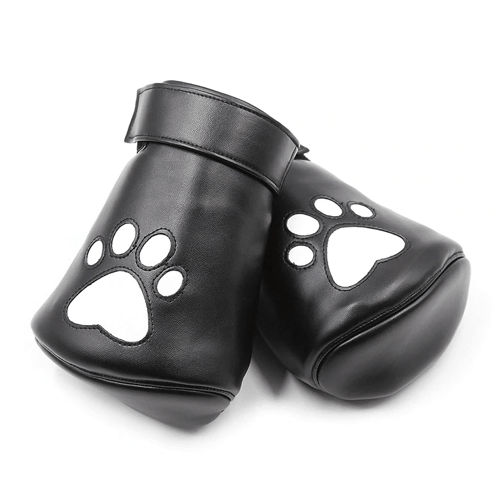
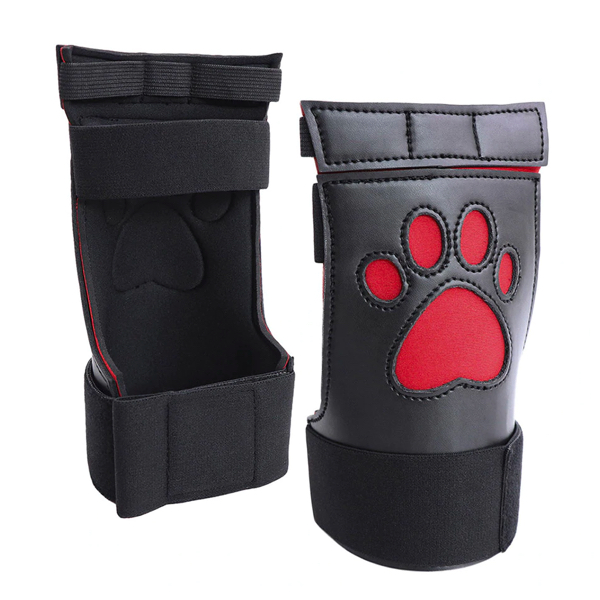
Padded pup mitts and knuckle-support gear can provide cushioning while creating a more paw-like posture. They can also support immersion by making ordinary hand movements more difficult.
Move carefully, avoid dropping onto your fists or locking your elbows, and change position when your upper body begins to tire.
Choose the Right Type of Pup Paw Gear
Hand gear can provide cushioning, restriction or both. Decide how much hand function you want to retain.
Padded fist mitts, such as Mad Pup Padded Fist Mitts, cushion the hands in a pronounced paw shape and reduce finger use.
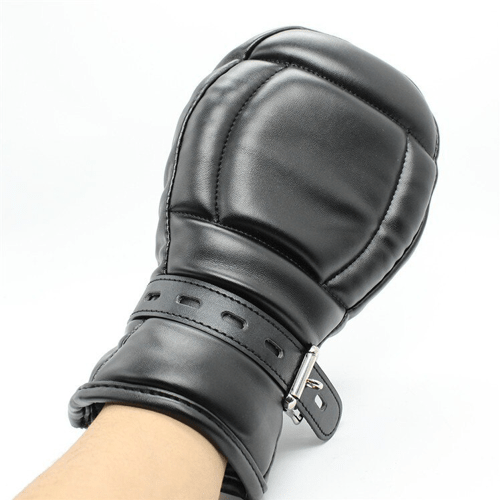
Restraint gloves, including Karma Pup Restraint Gloves, create a more enclosed feeling for handler-led play involving restriction.
Wrist and knuckle cuffs support paw positioning while leaving more of the hand accessible. Masterium Puppy Wrist and Knuckle Cuffs sit between bare hands and enclosed mitts.
Before fastening or locking hand gear, make sure someone can release it promptly. Agree on a stop signal that does not require speech or finger movement. Never use lockable mitts alone.
Pup Knee Pads & Mitts

Take a Break Every Few Minutes
Staying on all fours can tire the back, shoulders, knees and wrists. The neck can also complain. Looking ahead from a horizontal position means lifting your head in a way most of us rarely do. I notice it myself, especially after spending so much everyday time looking down at a phone. You may only recognise the strain when you finally stand up.
New pups should change position every few minutes. Stand, sit or lie down and check how your body feels. Keep the mood going by sitting beside your handler, lying down for praise or curling up on a blanket.
Build up gradually across several sessions. Drink water, cool down when needed and change position before discomfort becomes pain.
There is no prize for enduring a position that no longer feels good. Comfortable pups can stay engaged, playful and present for longer overall.
Handlers Should Call the Break Sometimes
A handler or pet owner also helps keep floor play comfortable. An absorbed pup may say they are fine even as their movements become slower or awkward.
My own handler trick is to call for belly-rub breaks every few minutes. The pup lies down, their knees and wrists get a rest, and the break still feels completely natural within the scene. It is a lot more fun than waiting until someone is already sore and ordering them to stop.
Do not wait for the pup to complain. Suggest a break regularly and use it to check:
- Are the knee pads still centered?
- Is any Velcro rubbing against the skin?
- Do the hands, wrists, knees or back feel sore?
- Is there any tingling, numbness, weakness or sharp pain?
- Is the pup becoming too warm or tired?
Tingling and numbness are reasons to stop, remove or loosen the gear and change position. Sharp or increasing pain also means the activity should end. Good handler care means noticing what your pup may miss while enjoying themselves.
Pup Play Does Not Require Crawling
Not everyone can comfortably go on all fours. Headspace comes from behavior, connection and imagination, not a single pose.
Try sitting beside your handler, lying on your side, curling up on a padded bed or responding to commands from a chair. Sounds, praise and training games can maintain the dynamic without loading the knees and wrists. Moving from crawling into a relaxed down-stay can feel completely natural within the scene.
One of the best examples of adaptable pup play I have seen was at Folsom Europe in Berlin. A paralyzed pup was moving through the street in a custom pup wheelchair his handler had built. The chair kept his legs lifted off the ground while he moved himself forward using his hands. He was fully involved in the event and completely in pup headspace. That moment stayed with me because it showed that pup play does not belong to one type of body or depend on one particular way of crawling. With creativity, support and the right setup, the play can be adapted around the pup, not the other way around.
What to Do if Your Knees Feel Sore
Stop if a knee becomes painful. For mild soreness, rest and avoid movements that make it worse. A cold pack wrapped in a towel may help fresh pain or swelling. Limit it to 15–20 minutes and never apply ice directly to skin.
Heat may soothe some later stiffness, but it should not be treated as an automatic next step after 24 hours. Avoid heat on a new injury that remains swollen, red or warm. Seek medical advice for severe or persistent pain, marked swelling, instability, numbness or difficulty putting weight on the knee.
Prevention is more enjoyable than recovery. Use adequate padding, well-fitting gear and breaks before your body forces you to stop.
Look After Your Floor-Play Gear
Follow the care instructions for your knee pads and mitts and dry them fully before storage. Replace gear with damaged seams, stretched straps or flattened padding.
Floor-play gear can sit alongside a pup hood or mask, collar, harness, shorts or bodysuit, but comfort should guide the setup. The broader Pup Play Gear Guide can help you build your collection gradually.
Build a Setup That Lets You Enjoy the Moment
Comfortable floor play begins with a padded, nonslip surface. Knee pads protect the knees, while mitts, restraint gloves and knuckle cuffs combine support with immersion. Proper fit, frequent breaks and honest check-ins keep it enjoyable.
Listen to small warning signs before they become big ones. Change position, rest when needed and adapt the scene to your body. Then you can focus less on the floor beneath you and more on being the pup you want to be.
Shop Pup Play Knee Pads & Mitts
Frequently Asked Questions
Knee pads are strongly recommended for crawling, kneeling or knee-walking on hard or abrasive floors. A thick mat can help, but thin floor coverings provide little cushioning.
Neither position suits everyone. Flat palms bend the wrists backwards. Supported knuckles or padded fists may keep them straighter, but bare knuckles can also become sore. Use padding and change position at the first sign of discomfort.
They should feel secure without pinching, rubbing or interfering with circulation. Stop and adjust or remove the gear if you notice numbness, tingling, discoloration, sharp pain or increasing pressure.


Leave a comment
You must be logged in to post a comment.